
Product data as strategy: why PIM/PLM readiness is the quiet blocker on most growth plans
The blocker nobody puts on the roadmap
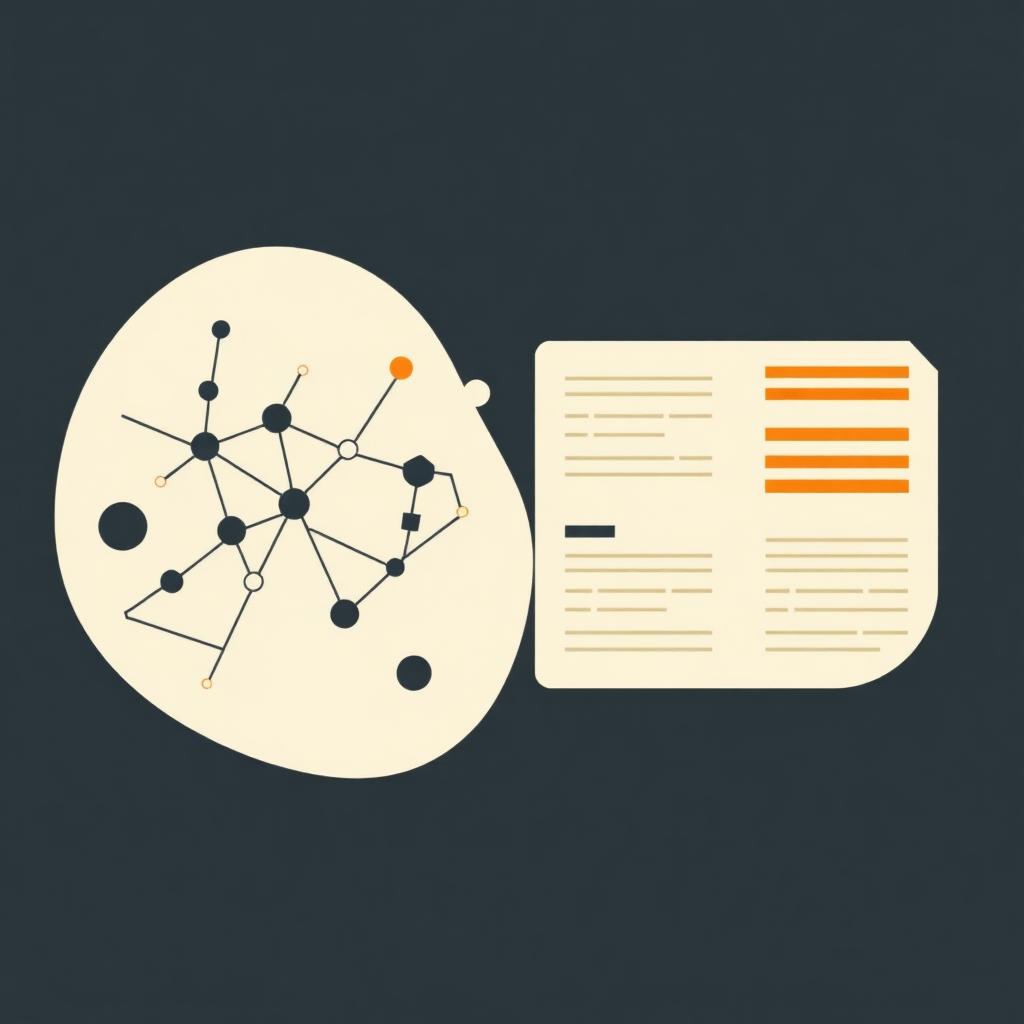
Every growth plan we see in retail, wholesale, and B2B commerce eventually runs into the same wall: the product data isn't ready.
The wall is structural, not cosmetic: the data model doesn't reflect how the business actually sells, attribution is inconsistent across channels, ownership is unclear, and the workflows for onboarding, enrichment, and syndication are held together by tribal knowledge and spreadsheets.
The initiatives that get blocked are the important ones: launching a new channel, expanding a category, standing up a marketplace, feeding an AI-powered search or recommendation engine, integrating an acquisition. All of them assume the product data is a solved problem. It rarely is.
Why product data is a strategy problem, not a systems problem
The instinct is to treat product data as an IT project — pick a PIM, migrate the data, done. That framing is why most PIM programs disappoint.
Product data reflects strategic choices the business hasn't necessarily made explicitly:
- What's a "product"? In a retailer with configurable assortments, a marketplace with third-party sellers, or a B2B business with contracted SKUs, the definition isn't obvious — and it varies by channel.
- Who owns which attributes? Merchandising owns some, marketing owns some, suppliers own some, operations owns some. The ownership design encodes how the business operates.
- What's the golden record? Every channel wants a slightly different view. The decision about which version is authoritative — and where transformations live — is a strategic call about how the business scales.
- How does new product get in and how does bad data get out? The onboarding and quality workflows are the operating model in miniature.
A PIM tool bought before those decisions get made is expensive plumbing. A PIM program that surfaces and locks those decisions is what actually unblocks the growth plan.
Where product data ties into the arc
Product data cuts across all three stages:
- Market Assessment. Category and assortment strategy is only as good as the attribution you can trace. Poor product data limits which questions you can even ask.
- Growth Strategy. Channel expansion, marketplace strategy, and B2B/B2C commerce strategy all rest on product-data readiness. A strategy that ignores it ships late or gets watered down.
- Implementation. Every replatform, ERP migration, or commerce initiative depends on the underlying data model, ownership design, and governance — usually far more than on the software choice.
And it's a natural place for Applied AI. AI-powered enrichment, attribution, and quality workflows are among the most immediately valuable applied-AI use cases in retail and wholesale — and they only work when the underlying data model is right. Once the model holds up, those workflows are a good candidate for a scoped prototype or MVP rather than a platform purchase.
The right first move
Most operators know their product data isn't where it needs to be. The first move worth making is a scoped assessment that answers three questions:
- What are the strategic uses of product data over the next 24 months? (Channels, categories, AI use cases, acquisitions.)
- What data-model, ownership, and workflow decisions do those uses require?
- What's the gap between today's state and where you need to be — and what's the shortest credible path to close it?
Only then does the tooling question have a defensible answer.
The BANKDENS take
We treat product data as one of our areas of depth because we've watched it quietly block growth programs one too many times. Whether the entry point is a category expansion, a channel launch, an AI initiative, or a full commerce replatform, the product-data readiness question sits underneath it — and getting the answer right is often the biggest lever on whether the program lands.
If product data is the elephant in your growth-plan room, that's the conversation worth having before anyone signs a software contract.
We'd love to hear what you're working on and how BANKDENS can help move you from friction to focus.
Start a conversationRelated work: Market Research & Growth Thesis · Commercial Due Diligence